
Listeners:
Top listeners:
00:00
00:00
volume_up
chevron_left
-
 play_arrow
Bombshell Radio – Now Playing Bombshell Radio 24-7
-
 play_arrow
Paper Lace’s Philip Wright: The Truth Behind ‘Billy Don’t Be a Hero’ & ‘The Night Chicago Died’
-
 play_arrow
Episode 533: Rainbow Country - TIFF26 - Canadian Queer Films
-
 play_arrow
Stereo Embers The Podcast 0520: Tim Eriksen and Peter Irvine (Cordelia's Dad) Alex Green Online
music_note
play_arrow
Paper Lace’s Philip Wright: The Truth Behind ‘Billy Don’t Be a Hero’ & ‘The Night Chicago Died’
-
play_arrow
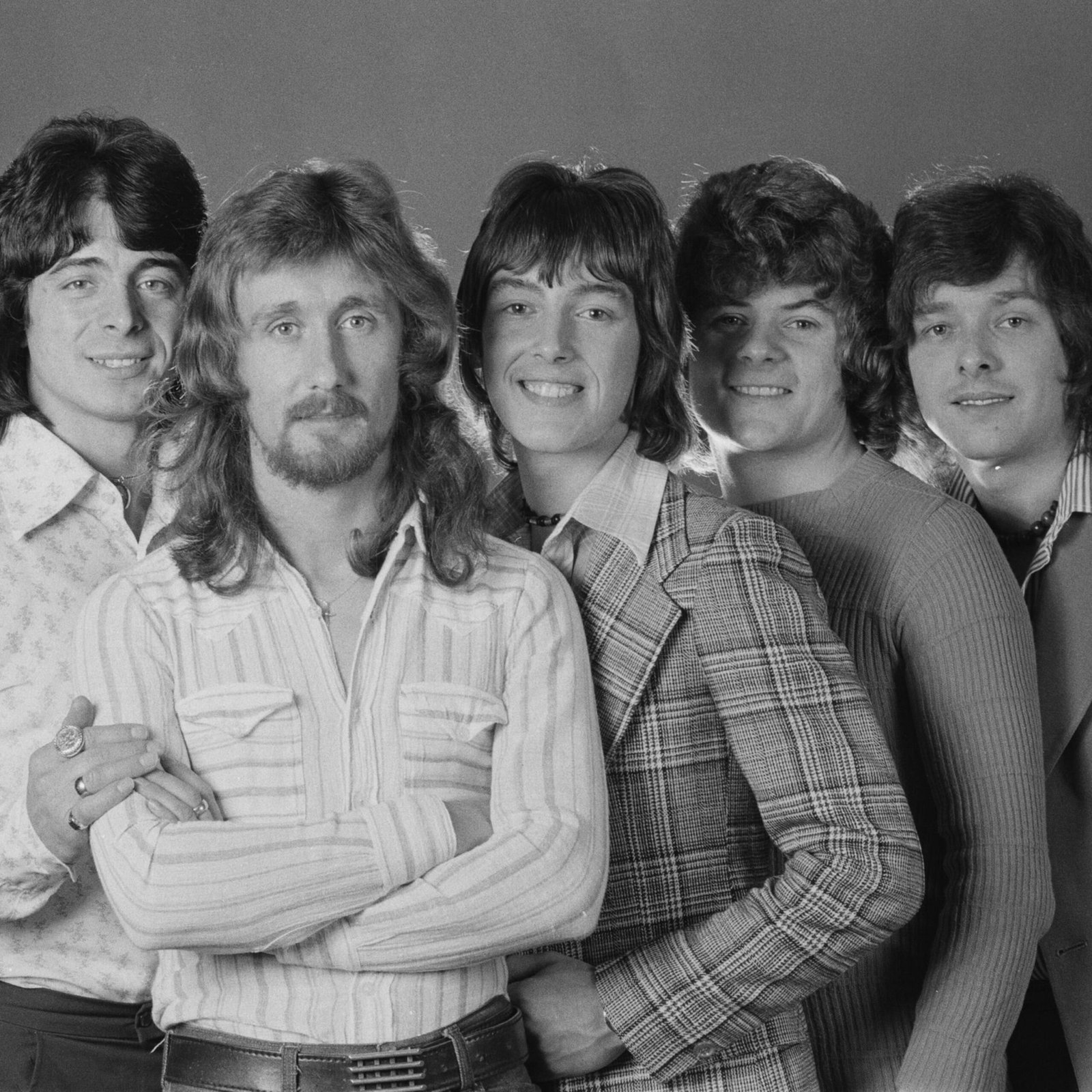
Paper Lace’s Philip Wright: The Truth Behind ‘Billy Don’t Be a Hero’ & ‘The Night Chicago Died’
Step back into the unforgettable world of '70s pop as we welcom Philip Wright, original member, drummer and lead vocalist of the English band Paper Lace.
In this episode, Philip shares the remarkable story of a group from Nottingham that spent years working the clubs before suddenly finding itself at the top of the charts in Britain, Australia and America.
Paper Lace had been paying their dues for years when tv provided the breakthrough they desperately needed. Their appearances on the popular British talent show Opportunity Knocks introduced the band to millions of viewers and helped set in motion a chain of events that would turn them into international hitmakers.
The real explosion came in 74 with “Billy Don’t Be a Hero.”
Written by the songwriting team of Mitch Murray and Peter Callander, the dramatic story-song raced to No. 1 on the UK Singles Chart and also became a huge No. 1 hit in Australia.
Suddenly Philip Wright and Paper Lace were experiencing the kind of success they had spent years dreaming about.
But the story took a fascinating turn in the US. American group Bo Donaldson and the Heywoods quickly released their own version of the song and took it to No. 1, effectively stealing Paper Lace’s American thunder.
Paper Lace didn't have to wait long for their own US triumph.
Their next major release, “The Night Chicago Died,” became an enormous international hit and took the band all the way to No. 1 in America.
Its colourful tale of Al Capone-era Chicago and gangsters made it one of the most distinctive story-songs of the decade. Despite taking considerable liberties with Chicago history, the record captured the imagination of millions and remains one of the songs most closely associated with '70s pop music.
Philip also revisits another Paper Lace favourite, “The Black-Eyed Boys,” which continued the band's extraordinary run of success in '74, and reflects on what it was like to go from years of relative obscurity to international fame in such a remarkably short period.
This conversation goes beyond the chart positions and gold records. Philip takes us inside the experience of being a member of Paper Lace at their peak: the relentless work that came before success, the excitement when it finally arrived, and the reality of trying to sustain that momentum once musical fashions began to change.
Philip reflects on what happened as the original Paper Lace line-up began to change and the extraordinary ride of '74 gradually came to an end. The Paper Lace name continued, and the band enjoyed another memorable connection with their hometown when they joined forces with Nottingham Forest Football Club for “We’ve Got the Whole World in Our Hands” in 1978.
The story didn't end there for Philip Wright. After the peak Paper Lace years, his life took some unexpected turns before music drew him back. He later became lead vocalist with the re-formed Nottingham band Sons and Lovers, eventually returning to the music and legacy that had made his voice familiar to millions.
More than 50 years after Paper Lace's extraordinary breakthrough, “Billy Don’t Be a Hero” and “The Night Chicago Died” remain enduring reminders of an era when a three-minute pop single could tell an entire story.
For anyone who grew up with the music of the 1970s, these songs can instantly bring back a particular time, place and feeling.
In this warm and revealing conversation with Sandy Kaye, Philip Wright looks back at the highs, surprises and challenges of the Paper Lace story and shares what it was really like to experience international pop stardom from the inside.
If you remember buying Paper Lace records, singing along to “Billy Don’t Be a Hero,” or hearing “The Night Chicago Died” pouring out of the radio, this episode of A Breath of Fresh Air is a nostalgic journey back to one of the most colourful chapters in British ’70s pop.
Source: https://www.abreathoffreshair.com.au
NOW ON AIR

LATEST NEWS
Top popular
Now on air
Featured post
Latest posts
Current show
Upcoming shows