

Listeners:
Top listeners:
00:00
00:00
volume_up
chevron_left
-
 play_arrow
Bombshell Radio – Now Playing Bombshell Radio 24-7
-
 play_arrow
Episode 682: #673 Ice Cream Man Power Pop and More
-
 play_arrow
Episode 653: The UNHEARD Music No. 653
-
 play_arrow
Remembering David Surkamp: The Unforgettable Voice of Pavlov’s Dog
music_note
play_arrow
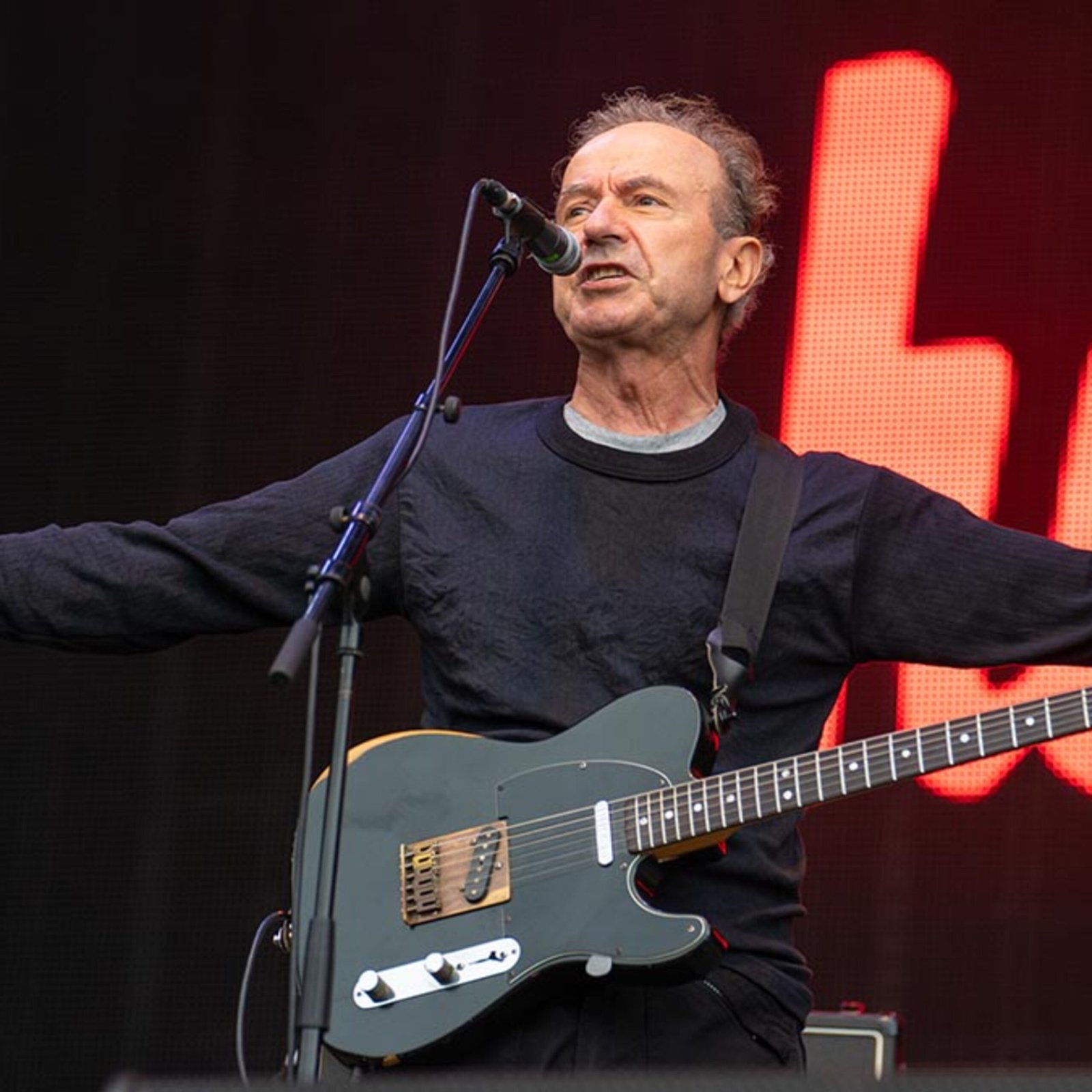
Hugh Cornwell: The Stranglers, Punk Rock Origins & Solo Career
-
 play_arrow
Hugh Cornwell: The Stranglers, Punk Rock Origins & Solo Career
From Singing for Sweets to Punk Pioneer
Hugh Cornwell, best known as the original frontman of The Stranglers, has lived a career shaped by instinct, rebellion and creative evolution. Remarkably, his journey began at just three years old, singing in the garden for neighbours who rewarded him with sweets. Even then, Cornwell knew he wanted to be a singer—though his parents had very different plans.
Despite his artistic ambitions, Cornwell followed a scientific path, studying biochemistry at university under pressure from his family. He even pursued a PhD in Sweden, but it was there that fate intervened. Immersed in a new social scene, he formed a band—and before long, music overtook academia. Abandoning his studies, he returned to the UK determined to make it in music.
Back in England, Cornwell helped form what would become The Stranglers, alongside key members including Jean-Jacques Burnel and Dave Greenfield. Early songwriting success came with “Get a Grip on Yourself,” their debut single, marking the beginning of a formidable catalogue. Cornwell’s melodic instincts, combined with the band’s raw energy, helped define their sound.
The band emerged during a turbulent period in mid-'70s Britain—a time of economic hardship, strikes and social unrest. This environment fed directly into their music, sharpening their sound into something tougher and more confrontational. While often labelled as punk, Cornwell saw the band more simply—as songwriters focused on melody and strong hooks, even amid the chaos.
The Stranglers quickly rose to prominence with hits like “Peaches” and “No More Heroes,” blending aggression with sophistication. Cornwell even reflects on “Peaches” as an early form of rap due to its spoken delivery. Their later hit “Golden Brown” revealed a more melodic, experimental side—its meaning famously debated before Cornwell acknowledged its dual inspiration.
During breaks from relentless touring, Cornwell began exploring solo projects, often driven by spontaneity. His first solo recordings were made in Los Angeles without even informing his record label—an early sign of his independent spirit. Over time, he built a substantial solo catalogue, collaborating with figures like Tony Visconti and continuing to refine his craft.
By 1990, after 16 years with the band, Cornwell made the bold decision to leave. The band dynamic had shifted, becoming more like a job than a shared creative journey. Acting on instinct—something that defines much of his life—he walked away, choosing artistic freedom over familiarity.
Cornwell has never stood still. From embracing new music distribution models, including free downloads, to experimenting with songwriting processes, he has continually evolved. His later work, including the album Moments of Madness, reflects a more spontaneous and exploratory approach to recording.
Outside of music, Cornwell is an author, actor and podcast host, with a deep passion for film. He also maintains a disciplined lifestyle rooted in his scientific background, prioritising health and routine—or as he prefers to call it, “rhythm.”
Today, Hugh Cornwell continues to tour and record, performing both solo material and classic Stranglers songs. His story is one of constant reinvention, guided less by planning and more by instinct—a philosophy that has kept him relevant and creatively alive for decades.
Source: https://www.abreathoffreshair.com.au
NOW ON AIR

LATEST NEWS
Top popular
Now on air
Featured post
Latest posts
Current show
Upcoming shows